Herniated Disc Treatment with Radiofrequency Therapy and Injections Without Surgery


Advanced and Safe Solutions for Disc Herniation and Back Pain Without Operations
A herniated disc is one of the most common causes of back and neck pain and can significantly affect mobility and daily activities.
With advances in modern medicine, herniated disc treatment using radiofrequency therapy and injections without surgery has become one of the most effective medical solutions to treat pain and restore movement—without the need for surgical procedures or general anesthesia.
In this article, we review the latest non-surgical treatments for herniated discs, explaining the role of radiofrequency therapy and therapeutic injections, as well as the key advantages of this approach.
What Is a Herniated Disc?
A herniated disc occurs when part of the spinal disc protrudes from its normal position between the vertebrae, placing pressure on nearby nerves and causing:
Lower back or neck pain
Pain radiating to the leg or arm
Numbness or tingling in the limbs
Weakness or difficulty sitting and standing
Non-Surgical Herniated Disc Treatment – Why Is It the Best Option?
Many patients do not require surgery and can benefit from non-surgical disc treatment using radiofrequency therapy and injections, especially in moderate and chronic cases.
Advantages of Non-Surgical Treatment:
No surgical incision
No general anesthesia
Safe for elderly patients
Short recovery period
Rapid return to daily activities
What Is Radiofrequency Therapy for Herniated Disc Treatment?
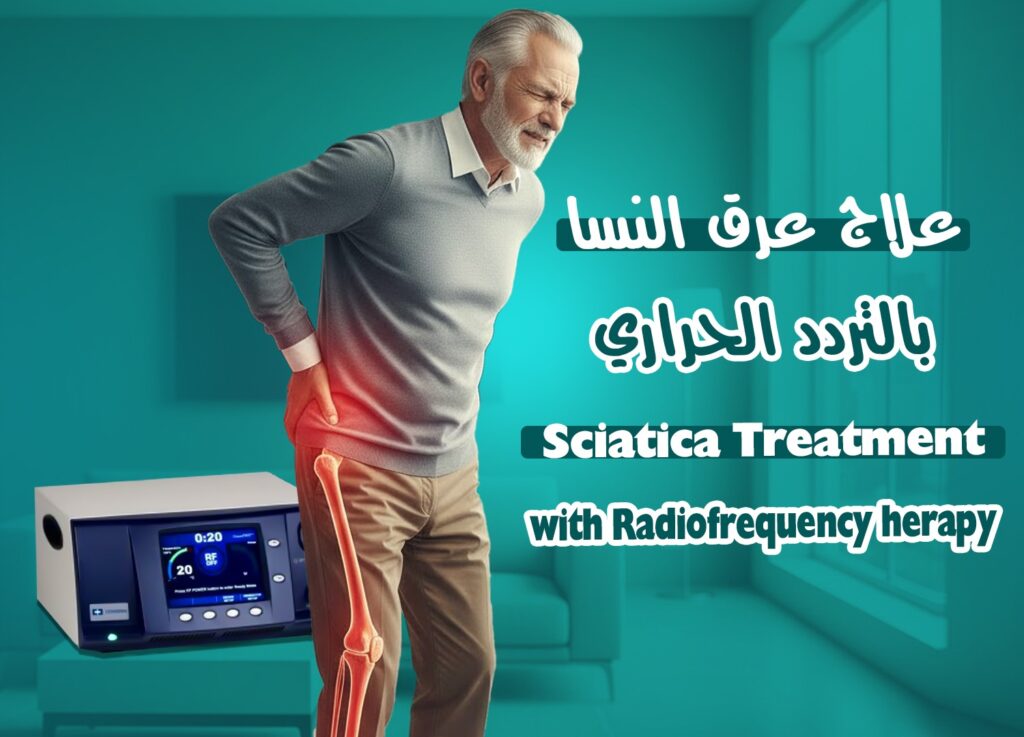
Radiofrequency therapy for herniated disc treatment is a precise medical procedure in which controlled thermal energy is directed at the nerves responsible for pain. This technique treats nerve inflammation and interrupts pain signals while preserving normal nerve function.
Benefits of Radiofrequency Therapy for Disc Herniation:
Treatment of chronic herniated disc pain
Treatment of sciatica caused by disc herniation
Improved mobility and walking ability
Reduced dependence on pain medications
Short, minimally invasive procedure
The Role of Therapeutic Injections in Herniated Disc Treatment
Therapeutic spinal injections play a key role in non-surgical herniated disc treatment, particularly when combined with radiofrequency therapy.
Types of Injections Used:
Anti-inflammatory injections
Targeted nerve root injections
Ozone injections
Benefits of Injections for Disc Treatment:
Treatment of inflammation around the nerve
Reduction of nerve compression
Improvement of nerve signaling
Support of nerve recovery
Why Does Combining Radiofrequency Therapy and Injections Provide Better Results?
Combining radiofrequency therapy with injections for herniated disc treatment offers a comprehensive approach because:
Radiofrequency therapy treats the source of nerve-related pain
Injections treat inflammation and pressure around the nerve
The result is noticeable pain relief and gradual improvement in mobility
Are Radiofrequency Therapy and Injections an Alternative to Surgery?
In most cases, yes.
Non-surgical herniated disc treatment using radiofrequency therapy and injections is considered an effective alternative to surgery, especially for patients who:
Are not suitable candidates for surgery
Have chronic medical conditions
Are concerned about surgical complications
Who Is This Treatment Suitable For?
This treatment is suitable for:
Patients with lumbar or cervical disc herniation
Patients with sciatica
Elderly patients
Individuals who did not benefit from medication-based treatments
Is Diagnosis and Treatment Performed on the Same Day?
In most cases, the following are completed on the same day:
Medical consultation
Imaging evaluation
Treatment plan determination
Initiation of the therapeutic procedure
Without the need for hospital admission.
Conclusion
Herniated disc treatment with radiofrequency therapy and injections without surgery has become one of the most advanced and effective medical solutions for relieving pain, improving mobility, and avoiding surgical intervention in many cases—while maintaining a high level of safety and proven results.